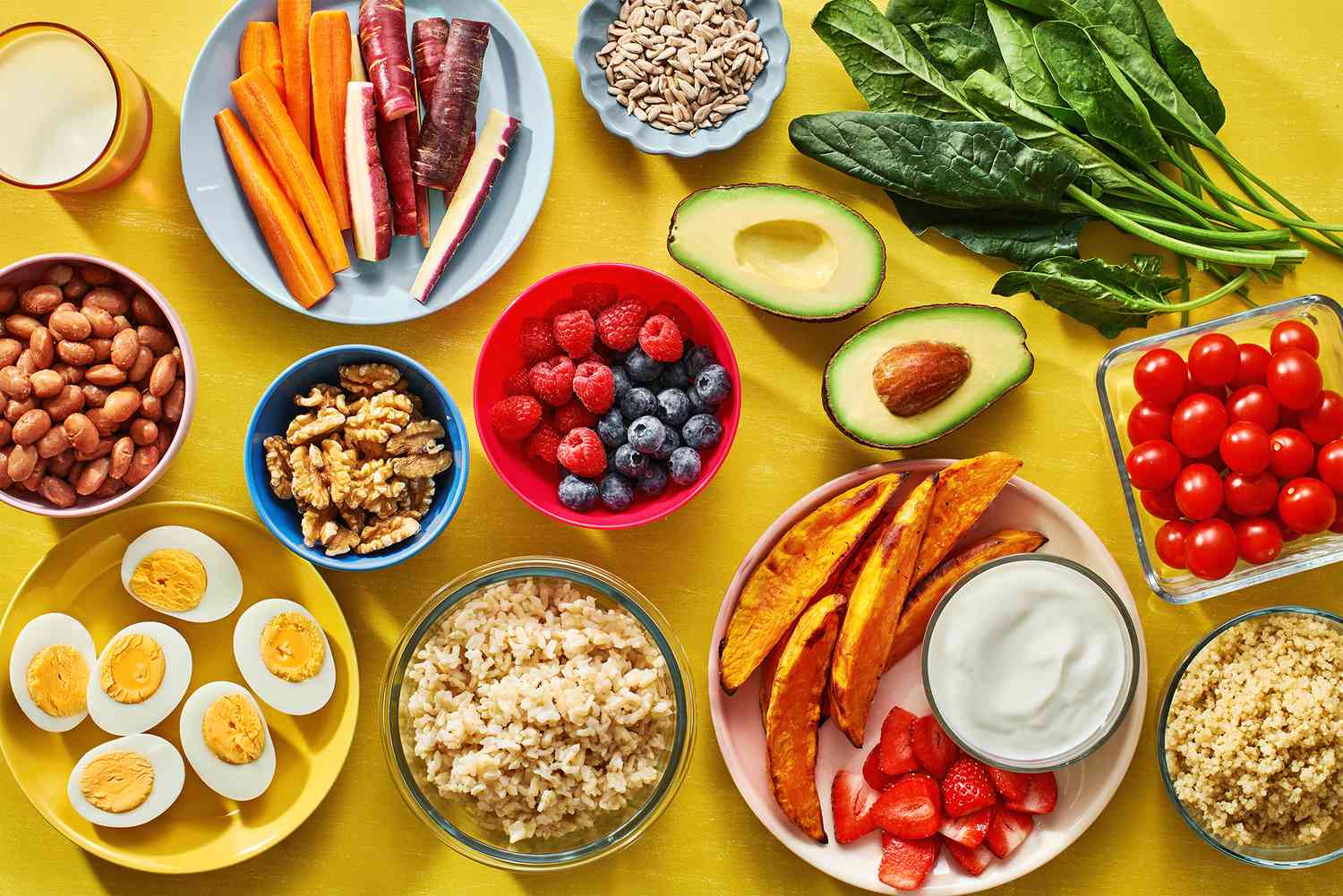
Food is so much more than just sustenance; it’s a worldwide language that spans across borders, culture, and generations. It unites people, tells a tale of history and lineage, showcases the variety of human experience. From the street food stalls in Bangkok to the fine dining restaurants of Paris, there are ways in which food binds us that words frequently do not.
Food in the Life of Man
At its most basic, everyone needs food to survive. Our bodies need nutrients from the foods we eat to work well, have energy, and grow. But food is so much more than sustenance. It impacts how we structure our days, can elevate or dampen our general mindsets and determine the choices we make in life. Whether it is a humble breakfast with family or the grand feast of a festival, each meal carries emotional and social weight.
Food is, in so many ways, a time capsule. One bite can take us back to our childhood, grounding us in where we came from, yet tasting something new and getting to know other cultures. The whiff of baking bread, or the smell of spiced curry can trigger strong feelings of comfort, home and memories.
Cultural Identity and Food Traditions
No two societies on earth have the same food habits, it is a product of geography, religious belief and history. Take Italian, for instance, where local flavors and food products animate pasta dishes built off olive oil, tomatoes, and the like. Good Indian has very little to do with those foods as good and interesting as they may be; Indian food in India is not an endless buffet of ”dumplings” dunked in heavy brown, yellow or red curry.
The presentation of food in Japan is an art form that focuses on balance, colour and harmony. There’s more to sushi than the taste and texture of the fish or seaweed, for instance: There’s also precision and aesthetics. Mexican cuisine, meanwhile, speaks volumes about ancient civilizations like the Aztecs and Mayans with ingredients like corn, beans and chili peppers.
Food traditions change as well. We are living in an age of fusion, thanks to globalization and mass migration — Korean tacos, butter chicken pizza, sushi burritos as well as hundreds of other amalgamations created in the crucible of cultural contact. These contemporary iterations demonstrate how food continues to be fluid, flexible and open.
The Social Side of Eating
Feeding is one of the most social things humans do: Eating together has been an occasion for celebration, ritual negotiating and simply getting to know each other. Globally, wedding, religious and other public celebrations are often celebrated with feasting. Think of Thanksgivings in the United States, Eids in the Muslim world and Diwalis across India — each a celebration of togetherness, gratitude and joy.
In most cultures, giving food is love and hospitality. When we feed someone, we share a bit of ourselves. This gifting brings people closer and has a potential to foster good will among people. And even in today’s digital age of food blogging, cooking shows and online recipes, the inclination to spread one’s food experiences endures.
The Science and Art of Cookery
Cooking is where science and creativity meet, as raw ingredients are transformed into delicious meals. The poetic side of cooking is combining flavors and textures and aromas. The science of cooking is the specifics in terms of what happens to create that final product.
Boiling, roasting, steaming or grilling can also have a dramatic effect on a dish’s taste and its nutritional properties. For example, steaming can preserve more vitamins, roasting could promote caramelization which adds color and flavor to the outside of the vegetables. The spice, herb, and condiment serves as the character of a dish. A pinch of saffron can lift a rice dish, while a squeeze of lemon can perk up a soup.
Contemporary culinary currents like molecular gastronomy, veganism and farm-to-table dining underscore our changing relationship with food. Today, there’s more to being a chef than simply preparing food; chefs are also inventors who meld history with science and technology in order to create delicious eating experiences.
Health, Nutrition, and Mindful Eating
Today, people have never been more conscious of the impact that food has on health and wellness. You are what you eat has never been more true! A balanced nutrition, portion control and the right foods are all essential for a healthy lifestyle.
Superfoods like kale, quinoa and berries are all the rage for their packed-with-nutrient content, while large-scale diets such as Mediterranean or plant-based offer specific approaches to health. But more than just dieting fads, mindful eating — paying attention to what, how and why we eat — is increasingly necessary in our go-go-go lives.
Mindful eating teaches us to slow the pace with which we eat, and relish each flavor that graces our lips. It’s of course a question — the goal here is to reconnect with pleasure eating, not robot-eating through our days. It does more than just to maintain physical health, it also decreases stress and increases emotionalprosperity.
Sustainability and the Food We Eat
Global population is continually increasing and searching for food sustainability has gained people’s attention. How we grow, ship and eat food has huge environmental implications. Climate change-producing food waste, over packaging and industrial farming practices deplete resources.
The future of food is sustainable and innovative. Examples of potential solutions: plant-based proteins, lab-grown meat and vertical farming that reduce the pressure on ecosystems while fulfilling global needs. There is also a shift in consumer mindsets, with more now thinking of local farmers and lessening food waste and buying organic or ethically-sourced.
There are also changes taking place with technology in the food industry. With smart kitchen appliances and AI meal planning and even precision agriculture on the rise, innovation is towards us making smarter, health-conscious choices for our planet.
Food as a Bridge to Other Worlds
Arguably, the most beautiful thing about food is its ability to be a conduit for people. Breaking bread together helps to demystify, and humanize, across cultural lines. Visiting a new country, tackling its local cuisine can tell us more about it than any guide-book ever would.
Food diplomacy — the notion that sharing a meal can help generate peace and goodwill — has been invoked in international relations, too. But what it all really came down to anyway was the fact that one has a hard time and little inclination to argue in front of great food.
Also in interpersonal relations, feeding plays a main part. From romantic dinners to family feasts you can create a lifetime full of memories in the kitchen. The kitchen is for art and laughter and love.
Conclusion
Food is more than existential; it’s a cultural expression, an outlet for creativity and connection. It feeds both our bodies and our souls. From generations-old family recipes to the most cutting-edge avant-garde cuisine, food has always been a narrative that brings humanity together across time and space.
While we may be veering ahead into a future that values sustainability and health, certain things will always remain true: the power of food to unite us. &loorta It doesn’t matter if it’s simple Iove-cooked fare or fancy five-star cuisine, food is the language of love, family and life.

Hi, this is a comment.
To get started with moderating, editing, and deleting comments, please visit the Comments screen in the dashboard.
Commenter avatars come from Gravatar.