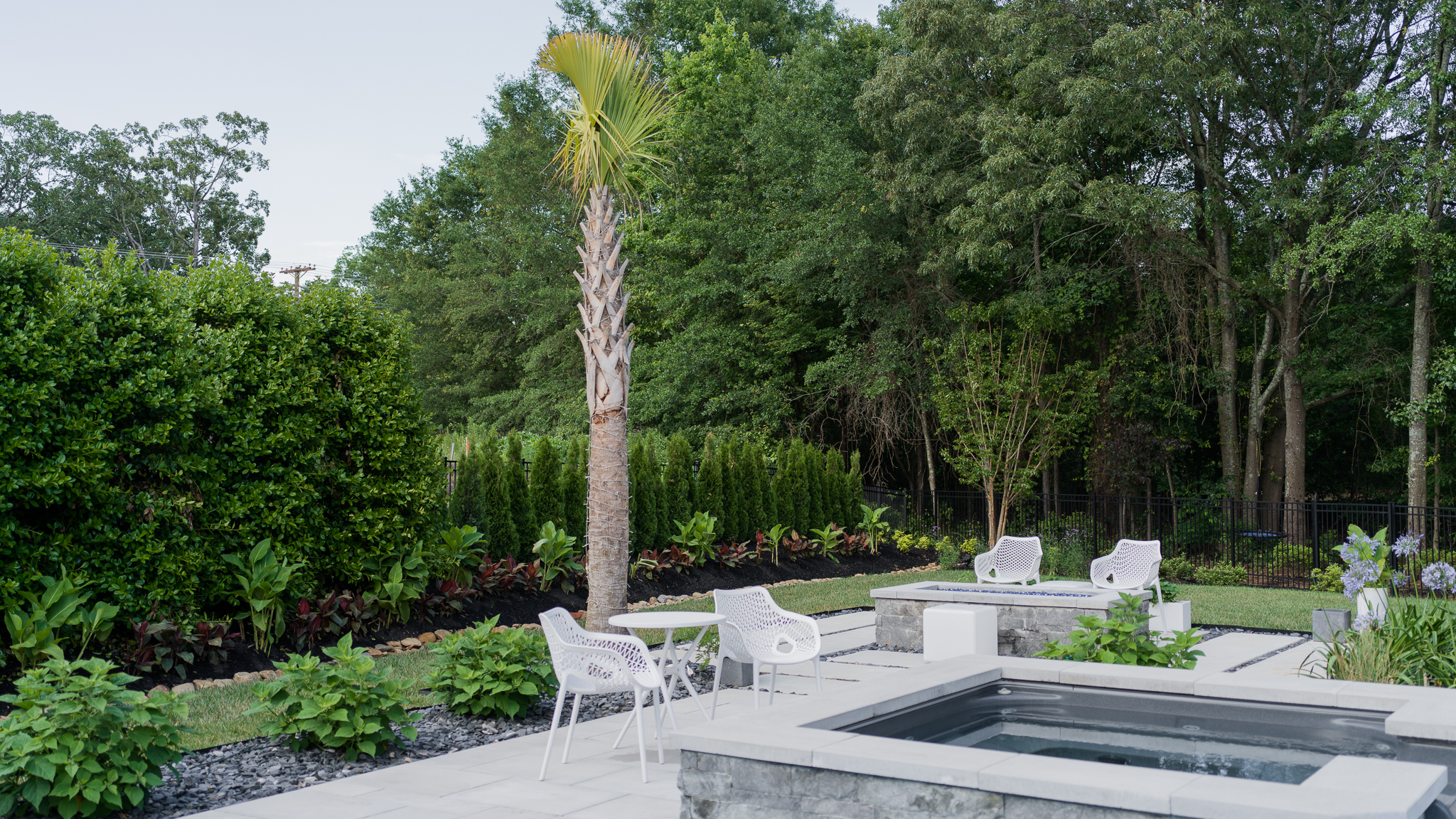
Landscaping isn’t just for large yards or suburban homes—urban properties can benefit from thoughtful outdoor design as well. Urban landscaping focuses on maximizing limited space, incorporating greenery, and creating functional, beautiful areas even in dense city environments. With creativity and planning, city dwellers can enjoy the benefits of a landscaped outdoor space, from improved aesthetics to increased property value and personal well-being.
The Challenges of Urban Landscaping
Urban environments present unique challenges for landscaping:
- Limited Space: Many city homes have small yards, balconies, or rooftop areas, which restrict planting and outdoor activities.
- Soil and Pollution Issues: Urban soils can be compacted, low in nutrients, or contaminated, and pollution may affect plant health.
- Sunlight and Microclimates: Tall buildings can block sunlight, creating shaded areas that may not support all types of plants.
- Maintenance Constraints: City residents may have limited time or resources for ongoing yard maintenance.
Despite these challenges, urban landscaping offers numerous opportunities for creativity and functional design.
Strategies for Effective Urban Landscaping
- Vertical Gardens: Using walls, trellises, and hanging planters allows greenery to thrive without taking up valuable ground space. Vertical gardens are ideal for balconies, patios, and small yards, providing both aesthetic appeal and privacy.
- Container Gardening: Pots, planters, and raised beds allow flexibility in plant placement and make it easier to control soil quality. Container gardens are perfect for herbs, vegetables, flowers, and even small shrubs.
- Rooftop Landscaping: Rooftop gardens maximize unused space while improving building insulation and air quality. Lightweight soil mixes and container plants make rooftop landscaping practical even on flat or sloped roofs.
- Hardscape Integration: Paving, decking, and outdoor furniture create functional zones for relaxation, dining, or socializing. Hardscapes reduce maintenance, define space, and can be combined with greenery to balance aesthetics and utility.
- Microclimate Design: Urban landscapes often have areas of extreme sun, wind, or shade. Choosing plants suited to these microclimates ensures long-term growth and reduces maintenance needs.
Plant Selection for Urban Landscapes
Choosing the right plants is crucial for urban landscaping success. Consider:
- Native and Drought-Tolerant Plants: They require less water and maintenance while supporting local wildlife.
- Compact or Slow-Growing Species: Ideal for small yards, rooftops, and container gardens.
- Pollinator-Friendly Plants: Flowers that attract bees, butterflies, and birds enhance biodiversity in urban settings.
- Evergreens and Foliage Plants: Provide year-round greenery and privacy screens.
Benefits of Urban Landscaping
Urban landscaping offers significant advantages beyond visual appeal:
- Improved Air Quality: Plants filter pollutants and reduce dust in city environments.
- Temperature Regulation: Green spaces reduce the urban heat island effect by cooling surrounding areas.
- Mental Well-Being: Access to greenery in the city lowers stress, improves mood, and encourages outdoor activity.
- Property Value: Well-designed urban landscapes enhance the appeal and market value of city homes.
Innovative Urban Landscaping Ideas
- Pocket Parks: Small landscaped areas in front of buildings or along streets can provide green relief in dense neighborhoods.
- Living Walls: Vertical installations that double as insulation and greenery.
- Edible Landscaping: Growing herbs, vegetables, or small fruit trees in containers or raised beds combines beauty with practicality.
- Rooftop Retreats: Incorporate seating, shade structures, and greenery to create a private urban oasis.
Conclusion
Urban landscaping proves that limited space doesn’t mean limited potential. By leveraging vertical gardens, container plants, hardscapes, and smart plant selection, city residents can create outdoor spaces that are functional, sustainable, and visually appealing.
With thoughtful design, even small balconies, rooftops, and courtyards can become relaxing retreats, contributing to mental well-being, environmental health, and property value. Urban landscaping turns concrete and steel into living, green spaces that enhance both daily life and the cityscape.